
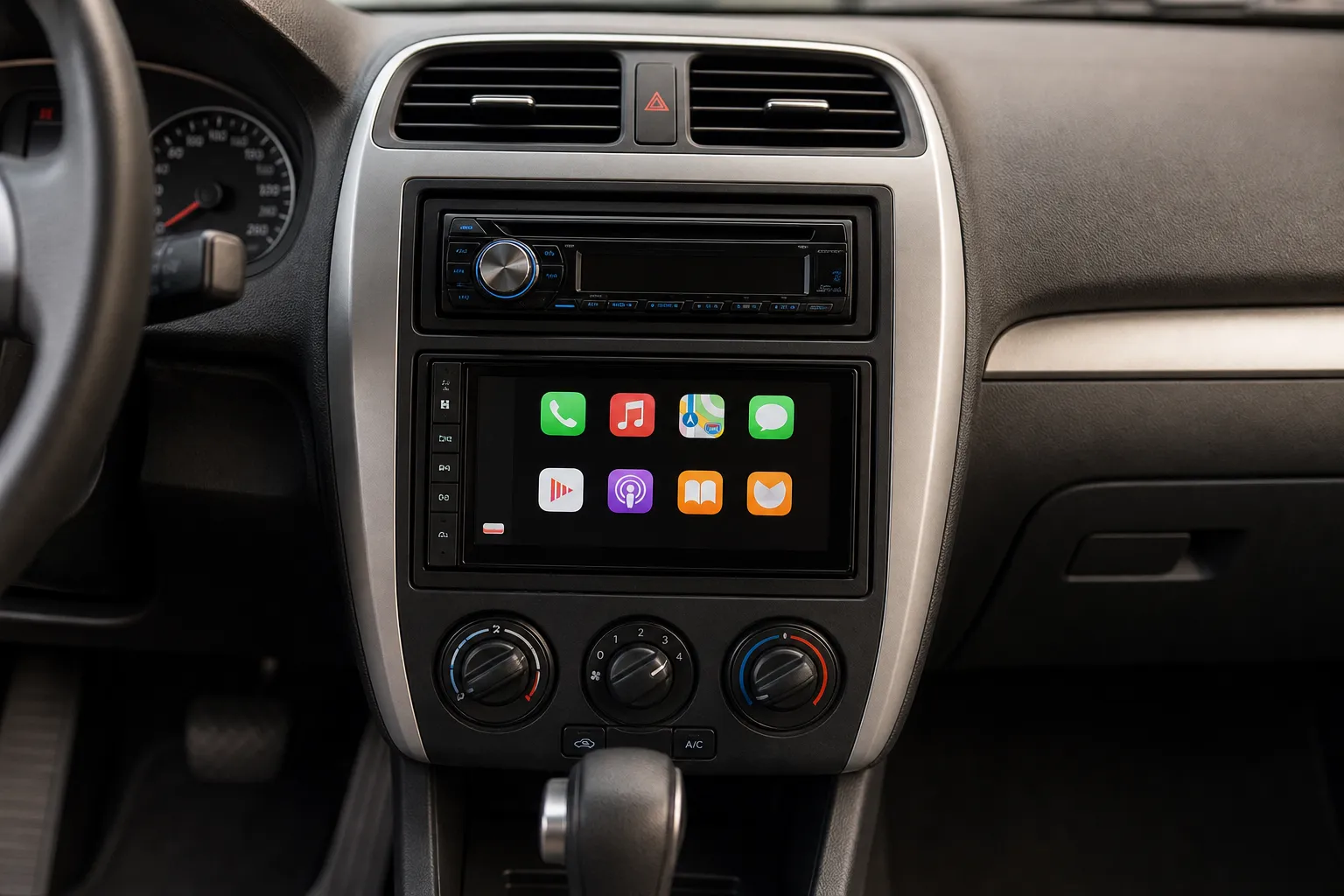
Ah, the age-old dilemma: double DIN or single DIN? When you're diving into the world of car stereo systems, this question is bound to pop up. You might be wondering, what exactly is the difference between these two options, and which one is right for your ride? With car audio installation becoming more sophisticated by the day, understanding the stereo sizing standards and dashboard integration is key to getting that perfect sound experience. Over 70% of car owners these days lean towards double DIN units. Why? Because of their enhanced features, of course! But let's not underestimate the trusty single DIN. It holds its ground with its own set of advantages.
In 2026, the choice isn't just about size. It's about what those dimensions can do for your audio system upgrade. Double DIN features, like touchscreen car stereos, have become incredibly popular. They offer more than just music; they bring navigation, connectivity, and a sleek interface to your dashboard. However, single DIN units are far from obsolete. Their compact nature means they fit into tighter spaces, which can be a lifesaver if your car stereo dimensions are limited. Plus, they often come at a friendlier price point, making them an appealing choice for many.
Whether you're a tech enthusiast or just someone who loves their tunes on the road, understanding the DIN standard definition can help you make an informed decision. Is the double DIN's larger screen and extra functionality what you're after, or does the single DIN's simplicity and cost-effectiveness strike your fancy? Let’s explore these options together and find the perfect match for your car's audio setup. After all, the right stereo can make all the difference in your driving experience!
Product Deep-Dive Comparison (top 3 selected):
10.1" QLED Double Din Car Stereo with Wireless Carplay & Android Auto, Music…

- 10.1" QLED display for clear visuals
- Wireless Carplay for seamless connectivity
- Compatible with Android Auto for convenience
 CHECK PRICE
PLZ 10.1" Wireless Single Din Car Radio Stereo with Apple Carplay Android Auto…

- 10.1" touchscreen for easy navigation
- Supports Apple Carplay and Android Auto
- Wireless connectivity for hassle-free use
CHECK PRICEPLZ Single Din Car Stereo Wireless Apple Carplay Android Auto Radio, 10.1" Car…

- Wireless Apple CarPlay and Android Auto
- 10.1" touchscreen for easy navigation
- Single Din design fits compact spaces
CHECK PRICEWhat is a DIN in Car Stereos?
Alright, so you’re diving into the world of car audio systems and suddenly you stumble upon this term: DIN. What exactly is a DIN in car stereos? Well, let me break it down for you. DIN, which stands for Deutsches Institut für Normung, is a German organization that established a set of standards, including those for car stereo sizing. The DIN standard was initially developed to ensure that car stereo systems fit seamlessly into the dashboard of vehicles, creating a uniformity that manufacturers could rely on. This standard has been around for decades, and it's really become the backbone of car audio installation.
When it comes to car stereo systems, DIN sizing plays a crucial role. If you've ever tried to upgrade your car audio system, you know how important it is for everything to fit just right. Whether you’re looking at a Double DIN or a Single DIN unit, these standards ensure that your new stereo will integrate smoothly into the existing dashboard layout. I remember once trying to install a new touchscreen car stereo in my old sedan, only to realize that I hadn't checked the DIN size. Talk about a frustrating afternoon!
The DIN standards have evolved over the years, adapting to the ever-changing technology landscape. Originally, the focus was on creating a standard size for single-slot car stereos, known as Single DIN. But as technology advanced, so did our demands for more features like navigation and touchscreen displays, leading to the development of the Double DIN standard. Double DIN features include larger screens and more space for additional controls, which has become increasingly popular for those seeking an audio system upgrade.
Here's a quick comparison to help you understand better:
- Single DIN: Typically measures about 2 inches in height. Ideal for simple stereo systems.
- Double DIN: Measures around 4 inches in height. Offers more space for features like navigation, enhanced audio controls, and even Apple CarPlay or Android Auto compatibility.
If you're in the market for a new car stereo, understanding the DIN sizing standards is vital. It ensures that your new device will fit without the hassle of modifying your dashboard. Plus, with advancements like touchscreen car stereos, the integration possibilities are endless. For a deeper dive into car audio systems, check out this guide on choosing a double DIN digital media receiver. Trust me, getting the right fit makes all the difference in your car audio experience!
Double DIN vs. Single DIN: Key Differences
Ah, the age-old debate of Double DIN versus Single DIN. If you've been around car stereos as much as I have, you've probably faced the challenge of deciding which one is right for your ride. Let's dive into the nitty-gritty, starting with size. Double DIN units are typically around 7 inches high by 7 inches wide, while Single DIN units are approximately half the height, just 2 inches. That extra size can make a world of difference when it comes to installation and dashboard integration.
Speaking of installation, Single DIN units are generally easier to install due to their smaller size and universal fit. Many older vehicles have dashboards designed specifically for Single DIN stereos, making the installation a breeze. On the other hand, Double DIN might require some modification, but don't let that scare you. I've done it myself and, sure, it involves a bit more work, but it's totally doable with the right kit.
Now, let's talk features. One of the biggest perks of Double DIN stereos is the extra space allows for larger touchscreens. These are perfect for navigation, displaying maps, and managing music with just a tap. I remember the first time I upgraded to a touchscreen car stereo; it felt like moving from a flip phone to a smartphone. Single DIN units tend to stick to basic functions, but that's not a bad thing if you're all about the tunes and less about the frills.
When it comes to aesthetics and dashboard integration, Double DINs take the cake. They offer a modern, sleek look that blends seamlessly with your vehicle's dashboard. It's like they were meant to be there. Of course, this depends on your car's compatibility. Some dashboards might require extra work to fit a Double DIN, but trust me, it's worth it for that streamlined look.
In conclusion, choosing between Double DIN and Single DIN largely depends on your preferences and vehicle compatibility. Don't forget to check out this guide to the top 10 best double DIN head units for more insights on enhancing your driving experience. Whether you prioritize size, features, or aesthetics, there's a DIN standard stereo out there for you. Happy installing!
Pros and Cons of Double DIN Car Stereos
Alright, let's dive into the world of Double DIN car stereos. If you've been eyeing that sleek, big touchscreen in your friend's car and wondered if it's worth the hype, you're in the right place. I've had my fair share of experiences with these setups, and let me tell you, it's been a ride filled with both thrills and a few headaches.
First up, the advantages. Double DIN car stereos are like the big-screen TVs of the car audio world. They come with larger screens, which means you get to enjoy a more immersive experience with your Double DIN navigation and entertainment features. Picture this: you're cruising down the highway with GPS guidance that you can actually see without squinting. Plus, many of these units come with advanced features like Apple CarPlay and Android Auto integration, making them an absolute dream for tech lovers. If you're into having the latest car audio technology, a Double DIN is definitely the way to go.
But every rose has its thorns, right? The disadvantages are worth considering too. Installing a Double DIN can be a complex task, especially if you're used to the simplicity of a Single DIN installation. It's not just a plug-and-play situation; sometimes you have to modify the dashboard, which can be a bit of a hassle. And let's not forget about the cost. Double DIN units are generally pricier than their Single DIN counterparts. So, if you're on a tight budget, it's something to think about before you dive in.
Now, when is a Double DIN the perfect choice? If you're someone who spends a lot of time in your car, perhaps for work or long commutes, having that bigger screen and enhanced features can make your drive much more enjoyable. It's also ideal for families. My kids love watching movies on the Double DIN touchscreen during road trips. But, if you prefer the classic simplicity and don't really need all the bells and whistles, sticking with a Single DIN might be your best bet.
Ultimately, the choice between Double DIN vs. single DIN boils down to your audio system preferences and what you're looking to get out of your car stereo experience. If you're keen on exploring more tech-savvy options, check out our guide on JVC Double DIN car stereos to see how these features can enhance your drive.
Pros and Cons of Single DIN Car Stereos
Ah, the classic single DIN car stereo—it's like the trusty old friend of car audio technology. If you've ever waded through the dizzying array of stereo options at your local electronics store, you've probably wondered why anyone would still opt for a single DIN unit when double DINs seem to be all the rage. Well, my friend, let me tell you, there are some solid reasons to keep things simple.
First off, simplicity is king. A single DIN car stereo is about as straightforward as it gets. You get your basic radio, maybe a CD player (if you're feeling retro), and just enough buttons to keep you from getting overwhelmed. This simplicity is perfect for those of us who prefer the "less is more" approach, especially if you're not looking to dive deep into the stereo system complexity. Plus, the installation process is usually a breeze compared to its double DIN counterpart. I've spent many a Saturday afternoon fiddling with car audio systems, and trust me, a single DIN setup is a lifesaver when you’re short on time.
Now, let's talk dollars and cents. Single DIN units are typically more budget-friendly, which is a massive win if you're upgrading on a shoestring. This affordability makes them a great starter option for young drivers or anyone who just wants to dip their toes into the world of car audio without making a huge investment. And hey, if you're saving some cash, maybe you can splurge on that PLZ Single Din Car Stereo Wireless Apple Carplay Android Auto Radio, 10.1" Car… you've been eyeing for your next camping trip. Just a thought!
On the flip side, let's keep it real—single DINs come with their share of drawbacks. The most obvious is the limited feature set. While you do get basic functionality, more advanced features like touchscreen navigation or Apple CarPlay and Android Auto are usually off the table. If you're someone who loves all the bells and whistles, you might find a single DIN a bit underwhelming. And then there's the smaller display. If you're like me and struggle to read tiny fonts, this can be a bit of a headache when you're trying to adjust settings on the go.
So, when is a single DIN the best choice? Well, they shine in older vehicles where a double DIN simply won't fit. They're also perfect for those who prioritize audio system affordability and don't need the latest high-tech features. If your car stereo aesthetics lean towards the minimalist side, a single DIN will fit right in. For more insights on choosing the right stereo system, check out this guide on portable car stereos with wireless CarPlay.
In the single DIN vs. double DIN debate, it all comes down to personal preference and what you value most in a stereo system. Whether you choose simplicity or complexity, understanding your needs is key.
How to Choose the Right DIN Size for Your Car
When I first decided to upgrade my car's audio system, I had no clue about DIN sizes. I mean, what the heck is a DIN anyway? Turns out, it's all about the size of the stereo unit you can fit in your vehicle's dashboard. So, here's how I figured out the right DIN size for my ride, and hopefully, it'll help you too!
First things first, let's talk about assessing your vehicle's dashboard compatibility. You gotta know what will fit into your car's dash before you go shopping for a new stereo. If your dash has a single slot, you're looking at a single DIN, which is about 2 inches tall. But if there's a larger space, like some modern cars have, you can opt for a double DIN, which is twice as tall. I remember pulling out my tape measure, awkwardly leaning over my passenger seat, and trying to get the dimensions right. It was a bit of a circus act, but it worked!
Next up, consider what your audio and feature needs are. This is where it gets fun. Double DIN units often come with more features, like touchscreen displays, navigation, and even CarPlay and Android Auto. If you're like me and love techy gadgets, a double DIN might be the way to go. But if you just want to keep it simple with some tunes and maybe a bit of bass, a single DIN could totally suffice. I once thought about how cool it would be to have a big screen, but then I remembered how much I really just love good sound quality. It took a bit of back-and-forth, but clarity won over.
Finally, budget considerations are crucial. A single DIN is generally more affordable, which can be a big factor if you're trying to keep costs down. But remember, sometimes spending a bit more upfront on a double DIN can save you from wanting an upgrade later. I budgeted for installation too, because there's nothing worse than getting all the right gear and then realizing you have no idea how to install it. Trust me, letting a pro handle it can save you a headache. If you're curious about some of the best options with cool features like Apple CarPlay, check out this guide I found super helpful.
So, in a nutshell:
- Measure your dash to determine compatibility
- Decide on the features you need
- Consider your budget and installation costs
Choosing the right DIN size doesn't have to be a hassle. Take your time, weigh your options, and you'll be jamming out in your car in no time. Happy listening!
Top Double DIN and Single DIN Models in 2026
When it comes to modern car stereos, the choice between double DIN and single DIN units can be a bit like picking your favorite ice cream flavor—personal, yet tricky. In 2026, the market is flooded with options, but a few standout models have won the hearts of audiophiles and car enthusiasts alike. Leading the pack are brands like Pioneer, Sony, and Alpine, known for their innovative car audio features and quality builds.
Pioneer has once again set the bar high with its AVH-W4500NEX double DIN model. This unit is a powerhouse of features, including seamless Apple CarPlay and Android Auto integration. It's like having a smartphone on your dashboard, minus the distractions. Sony's XAV-AX6000 is another favorite, boasting a vibrant display and advanced voice command capabilities. For those who prefer the sleekness of a single DIN, Alpine's CDE-175BT offers exceptional audio system advancements, though with the typical single DIN limitations in terms of screen size.
Now, let's talk about the key features and innovations to look for. Double DIN models, like the ones mentioned, often come with large, touch-sensitive screens, perfect for navigation and multimedia. Look for units with high-resolution displays and multiple connectivity options like Bluetooth and Wi-Fi. Meanwhile, single DIN models excel in compactness and often focus on audio quality over visual flair. They are ideal for cars with limited dashboard space.
Customer reviews and expert recommendations are invaluable in making your choice. Many users rave about the Pioneer AVH-W4500NEX's user-friendly interface and responsive touchscreen. Experts often highlight Sony's XAV-AX6000 for its robust sound quality and intuitive controls. Reading stereo unit reviews can guide you to an informed decision, ensuring your next car audio upgrade hits all the right notes.
For those still on the fence about which way to go, check out our comprehensive guide to Apple CarPlay compatible head units. It covers everything from features to installation tips, helping you make the right choice for your ride.
Ultimately, whether you opt for a double DIN or single DIN model, the advancements in car audio technology mean you're in for a treat. So, buckle up and enjoy the enhanced driving experience that awaits!
Conclusion
Choosing between a double DIN and a single DIN stereo isn't just about the size; it's about tailoring your car's sound system to your lifestyle. Double DIN units pack a punch with a range of features and a sleek design, perfect for those who love a high-tech dashboard. On the flip side, single DIN stereos hold their own with a straightforward, budget-friendly approach, ideal for minimalists. Whatever your style, prioritize what matters most to you. Ready to make the leap? Consult a car audio specialist or explore our top product recommendations to enhance your drive. Your perfect sound awaits!
Product Deep-Dive Comparison (top 3 selected):
10.1" QLED Double Din Car Stereo with Wireless Carplay & Android Auto, Music…
- 10.1" QLED display for clear visuals
- Wireless Carplay for seamless connectivity
- Android Auto for easy smartphone integration
CHECK PRICEPLZ 10.1" Wireless Single Din Car Radio Stereo with Apple Carplay Android Auto…
- 10.1" touchscreen for easy navigation
- Supports Apple Carplay and Android Auto
- Wireless connectivity for hassle-free use
CHECK PRICEPLZ Single Din Car Stereo Wireless Apple Carplay Android Auto Radio, 10.1" Car…
- Wireless Apple CarPlay and Android Auto support
- 10.1" display for clear visuals
- Single din design fits various vehicles
CHECK PRICE