Ever found yourself stranded with a dead car battery, just when you needed to be somewhere important? It’s a feeling many of us know all too well. In the fast-paced world of automotive technology, ensuring your vehicle is always ready to roll is crucial. That's where the NOCO car battery charger comes into play, a true game-changer for automotive battery maintenance. Whether you're a tech-savvy individual or just someone who wants peace of mind on the road, understanding these smart battery chargers can truly transform your driving experience.
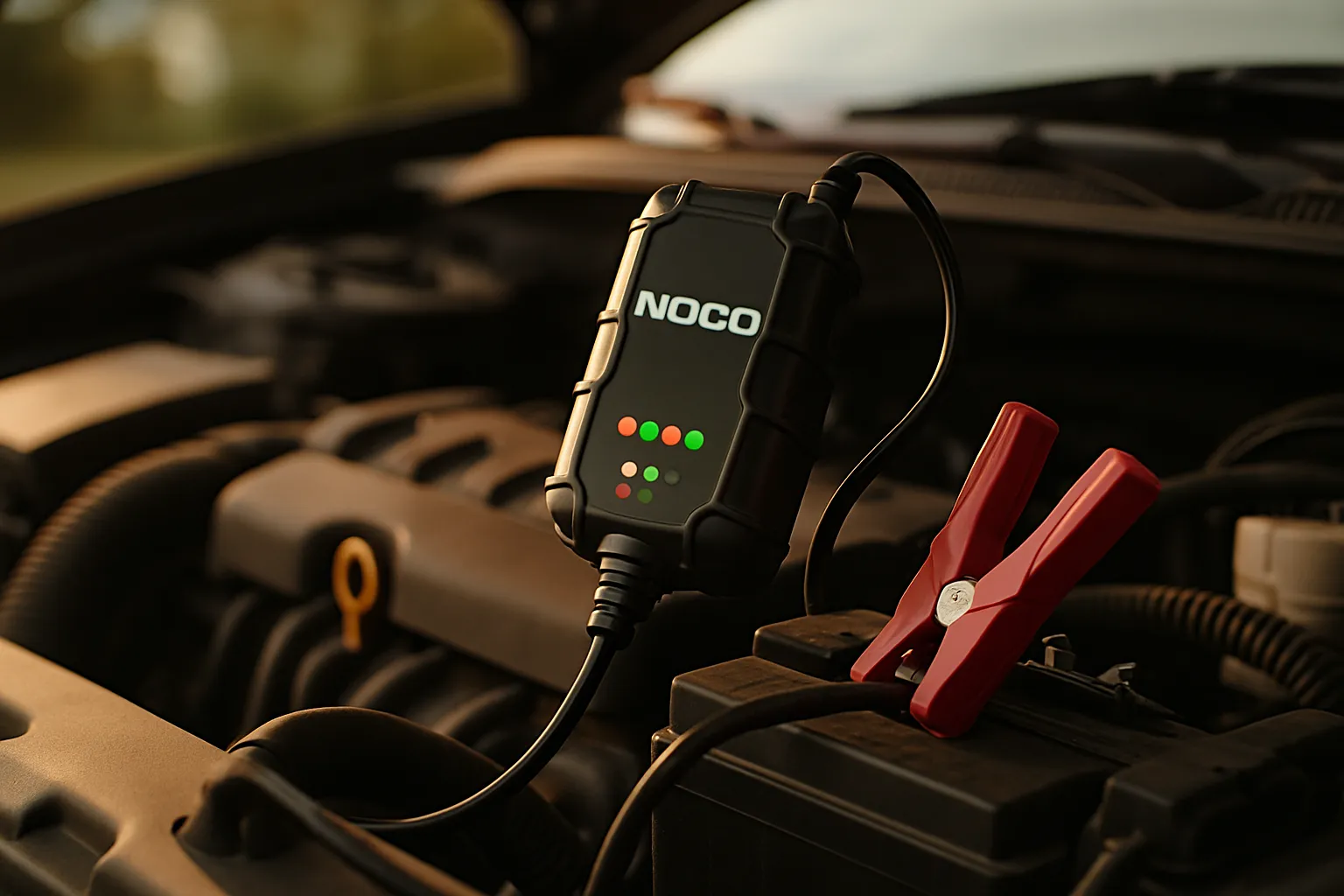
NOCO, with its Genius Series, has set a benchmark in efficient battery charging. These portable car chargers are not only compact but packed with advanced charging technology that can handle everything from routine vehicle battery care to reviving completely drained batteries. Did you know that a NOCO charger can revive a battery down to 1 volt? It's like having a lifeline for your car battery, ensuring you're never left in a lurch.
In 2026, owning a reliable car battery charger isn't just a luxury, it's a necessity. With a variety of battery charger models available, NOCO offers something for everyone, from the everyday commuter to the seasoned road warrior. So why not invest in a tool that promises efficient battery charging, ensuring that your ride is always ready when you are? Let's explore what makes these chargers a must-have and how they stack up in a charger comparison with other brands.

 CHECK PRICE
Why Choose NOCO Car Battery Chargers?
When it comes to automotive battery maintenance, NOCO has really nailed it. For years, they've been at the forefront of the car battery charger industry. I remember my first encounter with a NOCO Genius Series charger; it was like stepping into the future of smart battery chargers. What sets NOCO apart isn't just their sleek design, but their commitment to efficient battery charging technology that truly extends the life of your vehicle's battery.
One of the key features that make NOCO chargers stand out is their versatility. They're not just your everyday car battery charger; they're smart, portable car chargers that adapt to different battery types and sizes. The NOCO Genius Series, for instance, is equipped with advanced features like reverse polarity protection and spark-proof technology. Trust me, these features have saved me a ton of headache—I've accidentally connected cables the wrong way more times than I'd like to admit. But with NOCO, those little mistakes are just that, little.
Another standout is the efficiency of their charging technology. NOCO chargers are engineered to charge your battery faster than most traditional chargers. They're like the tortoise in the tortoise and the hare story, but this time, the tortoise is the one sprinting. The Boost GB150, for example, is a beast. It offers 3000A of peak lithium power, allowing you to jump-start dead batteries in seconds. With the ability to start engines up to 9.0L gas and 7.0L diesel, it's like having a portable power station in your trunk. Not to mention, it doubles as a power bank for your devices. So, when you're stuck on the road, it's got your back in more ways than one.
Using NOCO chargers also means you're investing in long-term vehicle battery care. They help maintain your battery's health by preventing overcharging and sulfation, two common battery killers. It's like giving your battery a spa day every time you plug it in. Plus, the ease of use is something I can't stress enough. Even if you're not a car guru, the intuitive interface and straightforward instructions make it simple to operate.
For anyone serious about vehicle battery care, a NOCO charger is a must-have. It's reliable, efficient, and packed with smart features that take the guesswork out of charging. If you're curious about other power solutions, check out our guide to vehicle battery jump starters for more insights.
In summary, NOCO chargers are a no-brainer for anyone wanting to keep their car battery in top shape. They're the tool you didn't know you needed, but once you have it, you wonder how you ever got along without it.
- 3000A of peak lithium power
- Compatible with 9.0L gas and 7.0L diesel engines
- Spark-proof and reverse polarity protection
- Portable power bank feature
Understanding NOCO Charger Models
So, you've been eyeing those NOCO chargers, huh? They're quite the rage these days, and trust me, there's a reason for that. I’ve dabbled with a few myself, and the variety can be both daunting and delightful. Let's break down some of the popular models, particularly from their Genius Series, which is like the superstar lineup in the world of portable car chargers.
The NOCO Genius Series is known for its efficient battery charging capabilities. Take the NOCO Genius1, for instance. It's a compact 1-amp charger that's perfect for maintaining smaller batteries. What's cool about it is its versatility; it can charge both 6V and 12V batteries. Then there’s the Genius5, which offers five times the power of the Genius1. It's a solid choice for slightly larger batteries and is still relatively compact. And if you’re dealing with bigger engines, the Genius10 is your go-to. It’s like upgrading from a backpack to a suitcase, giving you more power and faster charging.
Comparing these battery charger models involves looking at their features and specifications. The Genius1 is great for motorcycles and small cars, while the Genius5 steps it up for SUVs and trucks. The Genius10? Perfect for those hefty engines, like big trucks or even marine applications. They all come equipped with advanced charging technology to extend battery life, but the Genius10, with its higher output, is a beast in ensuring your vehicle's power solutions are met efficiently.
Choosing the right model depends a lot on your vehicle type. If you’re like me, with a love for anything that roars, the Genius10 is a no-brainer. But if you’re looking for something for your bike or a smaller car, the Genius1 or Genius2 should suffice. Always consider what you’re charging. You don’t want to overkill with power if you don’t need it. Trust me, I once fried a battery because I thought bigger was always better. Lesson learned: match your needs with your charger.
Oh, and speaking of power solutions, I can’t help but mention the Boost GB150: 3000A UltraSafe Jump Starter. This bad boy can start dead batteries with 3000 amps of peak lithium power. It’s got UltraSafe technology, which means no sparks or wrong connections. It’s not just a reliable battery charger, but also a portable power bank for your gadgets.
For more on portable power solutions, you might want to check out this guide. It’s packed with insights on jump starters and could be your essential companion for road trips.
How to Use a NOCO Car Battery Charger
So, you've got yourself a NOCO car battery charger and you're ready to keep your vehicle's battery in tip-top shape. Using a reliable battery charger like this can be a game-changer for vehicle power solutions and battery life extension. Let's dive into a step-by-step guide on setting it up, along with some safety tips and troubleshooting advice.
First off, setting up your NOCO charger is pretty straightforward, but make sure you follow these steps to avoid any hiccups:
- Read the Manual: I know it sounds basic, but don't skip this. Every model has its quirks.
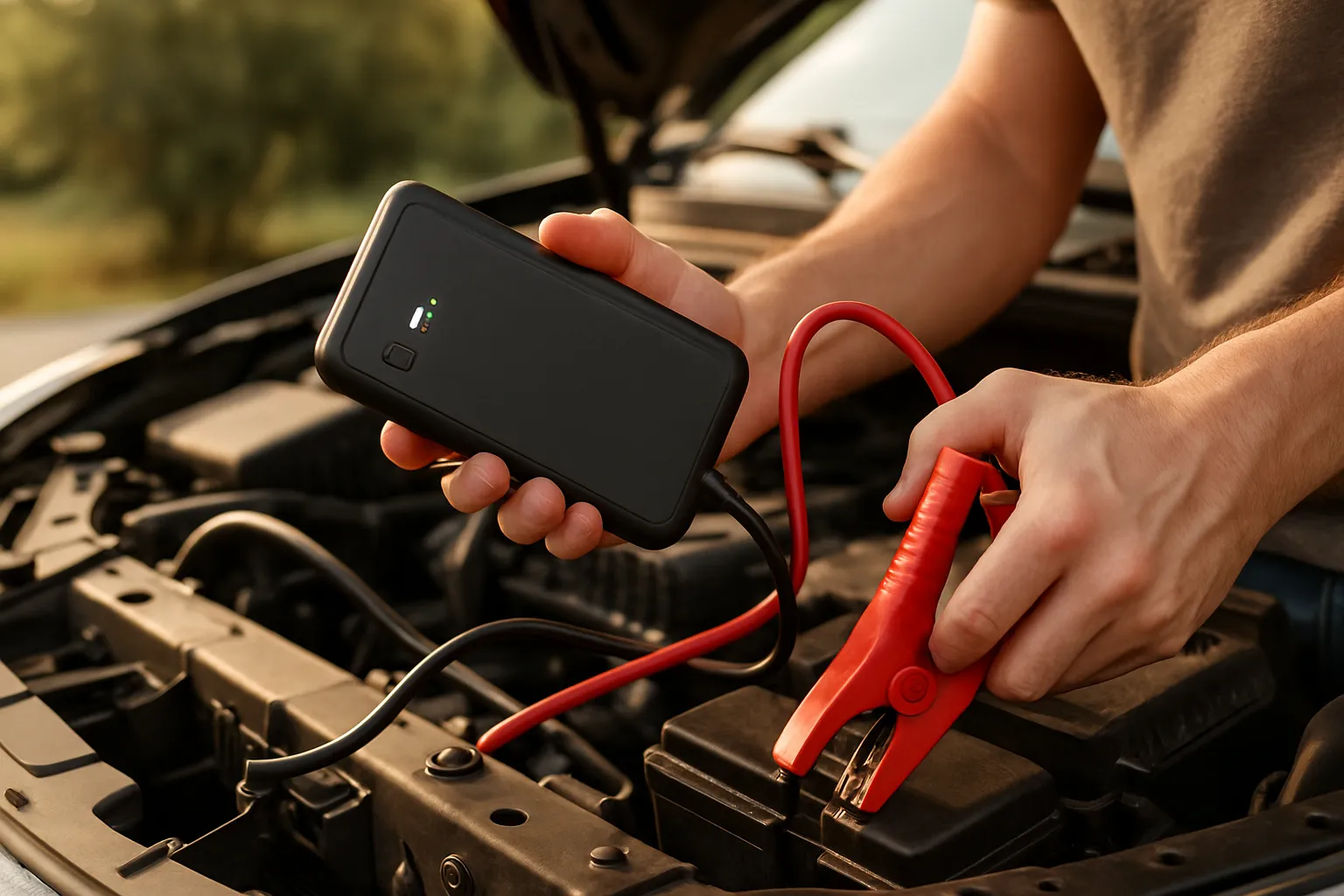
- Connect the Charger: Attach the alligator clips to the battery terminals (red to positive, black to negative). NOCO's UltraSafe technology ensures spark-proof connections, but double-check your connections just to be safe.
- Plug In: Connect the charger to a power source. You'll usually see indicator lights confirming the connection.
- Select the Mode: Use the mode button to choose the appropriate charging mode for your battery type. Be sure to pick the right one for power efficiency.
- Start Charging: Once everything's set, initiate the charge. Keep an eye on the progress indicator.
Safety's important, so here are some precautions to keep in mind:
- Avoid Flammable Surfaces: Place the charger on a stable, non-flammable surface.
- Ventilation: Ensure the area is well-ventilated to prevent gas buildup.
- Avoid Water: Keep the charger dry. I once had a scare with a damp garage floor. Lesson learned!
- Personal Protective Equipment: Wear gloves and safety glasses. Better safe than sorry, right?
Now, let's talk troubleshooting. Sometimes, things don't go as planned. Here are some common issues and fixes:
- Charger Won't Turn On: Check the power source and connections. Try a different outlet if needed.
- Battery Not Charging: Ensure the battery terminals are clean and connections are secure. You might need to clean off corrosion.
- Indicator Lights Flashing: This often indicates a connection issue or incorrect mode. Double-check everything.
Using a NOCO charger is a smart move for maintaining vehicle readiness. If you're also interested in jump-starting capabilities, consider the Boost GB150. It's a 3000A UltraSafe Jump Starter, perfect for dead batteries with up to 80 starts per charge. Talk about a reliable automotive accessory!
For more on keeping your battery in shape, check out this guide on vehicle battery jump starters. Happy charging!
Maintenance and Longevity of NOCO Chargers
Let me tell you, taking care of your NOCO chargers is like taking care of a good friend—they'll treat you well if you treat them well. Over the years, I've learned that a little bit of attention goes a long way in maintaining these advanced charging systems. You wouldn’t believe the time I left my charger out in the rain. Not my brightest moment, let me tell you. Thankfully, with some quick drying and a bit of luck, it survived. Lesson learned: protect your charger from the elements.
Speaking of best practices, always store your NOCO charger in a cool, dry place. This ensures its power efficiency and keeps it ready for vehicle readiness whenever you need it. Dust and moisture are the usual culprits when it comes to damaging automotive accessories. I always keep a small microfiber cloth nearby to wipe it down after each use, ensuring that no debris builds up in the ports.
Now, if you're looking to extend the life of your NOCO charger, regular inspections are key. Check the cables and connections periodically for any signs of wear or fraying. I've found that a quick visual check can prevent major issues down the line. Also, avoid coiling the cables too tightly—this can cause them to wear out faster. It's a small effort, but it really does make a difference.
Knowing when to replace your NOCO charger is crucial for safety in charging and battery troubleshooting. If your charger starts making unusual noises or fails to fully charge your battery, it might be time for a replacement. A charger setup guide can help, but trust your instincts. If something feels off, it probably is. I once ignored a funny rattling sound, and sure enough, the charger went kaput just when I needed it most.
On the hunt for a reliable jump starter? The Boost GB150 is a powerhouse. With its 3000A UltraSafe technology, it’s perfect for those who want foolproof connections and up to 80 starts per charge. It’s like having a lifeline in your trunk. For more insights into portable power solutions, check out this guide. It’s packed with useful tips for choosing the right jump starter for your needs.
In conclusion, taking care of your NOCO charger is about being proactive. Regular maintenance, careful storage, and knowing when to replace it will ensure long-lasting performance. After all, a well-maintained charger means a reliable vehicle, and that's something we can all appreciate.
NOCO Car Battery Chargers vs. Competitors
When it comes to battery chargers, the NOCO brand often pops up in conversations. Now, having tried a few myself, I can honestly say they live up to their reputation. But how do they compare with other leading brands? Let's dive in and see.
One of the things I love about NOCO chargers is their durability. Take the Boost GB150 for instance, which is a beast with 3000 amps of peak lithium power. It's perfect for starting dead batteries, and believe me, it’s saved my hide more times than I care to admit. I've used it on engines as big as 9.0L gas and 7.0L diesel. It's got this amazing UltraSafe technology, so you're not worried about sparks flying or frying your systems with reverse polarity.
But how does NOCO stack up against others? Well, brands like Schumacher and Black+Decker offer some stiff competition. Schumacher chargers, for instance, are known for their efficiency and quick charging capabilities. I once used a Schumacher to charge a friend's car, and it was surprisingly fast. However, NOCO’s edge often lies in its user-friendly interface and comprehensive charger setup guide. They make it easy for anyone, even if you’re not particularly tech-savvy.
Let's talk pros and cons. NOCO chargers are generally compact and portable, making them great for on-the-go battery troubleshooting. However, they can be a bit pricey. Compared to cheaper models, the NOCO might feel like a splurge. Yet, the investment is worthwhile if seamless and efficient energy use is your priority. On the flip side, some users report that the initial setup can be a tad confusing despite the guide. So, there’s a bit of a learning curve if you’re not well-versed in battery care tips.
I've read countless customer reviews, and they’re generally positive. Many users praise the NOCO for its reliability and long battery life. A friend of mine said they’ve never faced any battery replacement signs since switching to NOCO, which is quite the endorsement. But, like anything, not everyone is thrilled. Some folks mention issues with the clamps being a bit stiff. If you’re dealing with a smaller battery terminal, this could be a hassle.
In the grand scheme of things, NOCO chargers are among the top competitive battery chargers. They might not be perfect for everyone, but for those looking for a reliable, user-friendly charger with a strong brand reputation, they’re hard to beat. If you're interested in exploring more about portable power solutions, check out this guide on portable lithium jump starters for even more insights.
Conclusion
In wrapping up our deep dive into NOCO car battery chargers, it's clear these devices are a smart choice for anyone seeking reliability and ease of use. With advanced technology and intuitive design, they keep your vehicle's battery in top condition, ready for any adventure. Whether you're a daily commuter or an occasional road tripper, there's a NOCO charger tailored to your needs. Don't leave your vehicle's readiness to chance. Take that next step: consult a specialist to explore which model best fits your lifestyle and discover the range of NOCO products available. Elevate your driving experience by investing in a charger that empowers your journey.